What Is a Wet Signature? Meaning, Examples, and When It’s Required
A wet signature is a traditional method of signing documents using ink. Learn the pros and cons of wet signatures in the modern digital era and how they compare to electronic alternatives.


A wet signature is a handwritten signature made using ink on a physical document. It is commonly used to sign contracts, agreements, legal forms, and other paperwork that requires proof of identity or consent.
Even in today’s digital-first world, wet signatures are still widely used in many industries and legal processes. Some documents may even require a wet ink signature to be considered valid or legally binding.
In this guide, we’ll explain:
- what a wet signature means
- when wet signatures are required
- examples of wet signatures
- how wet signatures compare to electronic and digital signatures
- how to convert a handwritten signature into an eSignature

What Is a Wet Signature?
A wet signature is a physical signature written by hand using a pen, marker, or other ink-based tool.
The term “wet” refers to the ink used when signing a document. Traditionally, the ink remains wet for a short time after signing, which is where the phrase “wet ink signature” comes from.
A wet signature may include:
- your full name
- initials
- stylized handwriting
- a handwritten mark or symbol
In most cases, wet signatures are written directly on paper documents.
Wet Signature Example
Examples of wet signatures include:
- signing a lease agreement with a pen
- signing a bank form in person
- signing a will before witnesses
- manually signing printed contracts
- handwriting your signature on government documents
If someone asks for a “wet signed copy,” they usually mean a document that has been physically signed by hand.
What Does Wet Signature Mean on a Document?
When a document says “wet signature required,” it means you must print and sign the document manually using ink.
In these situations, typing your name or using a standard electronic signature may not be accepted.
Some organizations request wet signatures because they:
- want identity verification
- require notarization
- follow regulatory or legal compliance standards
- need original signed copies for recordkeeping

When Are Wet Signatures Required?
Although electronic signatures are now widely accepted, some documents may still require a wet signature.
Common examples include:
1. Wills and Estate Documents
Many jurisdictions require handwritten signatures on:
- wills
- trusts
- estate planning documents
These often need witnesses or notarization to be legally enforceable.
2. Real Estate Transactions
Certain real estate documents may require wet signatures, including:
- deeds
- mortgage agreements
- deeds of trust
- property transfer documents
Requirements vary depending on location and institution.
3. Court and Government Documents
Some courts, agencies, and government offices still request physically signed paperwork for:
- affidavits
- sworn statements
- court filings
- adoption papers
- powers of attorney
4. Commercial Lending Documents
Banks and lenders may require wet signatures for:
- promissory notes
- commercial leases
- loan agreements
This can help strengthen legal enforceability.
Wet Signature vs Electronic Signature
Many people confuse wet signatures with electronic signatures, but they are different.
Wet SignatureElectronic SignatureWritten by hand using inkCreated electronicallyRequires physical paperUsed on digital documentsOften signed in personCan be signed remotelySlower processFaster and more convenientHarder to manage at scaleEasier to automate
Electronic signatures are commonly used for:
- contracts
- HR forms
- NDAs
- onboarding documents
- sales agreements
In many countries, electronic signatures are legally valid and enforceable.
Wet Signature vs Digital Signature
Electronic signatures and digital signatures are not always the same thing.
A digital signature is a more secure type of electronic signature that uses encryption and authentication technology to verify:
- signer identity
- document integrity
- signing timestamps
Digital signatures are commonly used in:
- government transactions
- regulated industries
- highly sensitive documents
Compared to wet signatures, digital signatures offer:
- tamper detection
- audit trails
- stronger authentication
- improved security

Types of Signatures Explained
Today, several types of signatures are used for personal, legal, and business transactions.
Wet Signatures
Handwritten signatures made using ink on physical paper.
Electronic Signatures
Digital representations of signatures used to sign electronic documents.
Digital Signatures
Encrypted electronic signatures designed for enhanced security and authentication.
Clickwrap Signatures
Online consent agreements where users click a checkbox or button to accept terms and conditions.
Symbol or Stamp Signatures
Used in some countries and cultures, such as personal seals or stamps.

Can You Scan or Upload a Wet Signature?
Yes. You can scan a handwritten signature and upload it for digital use.
Many people:
- sign on paper
- scan or photograph the signature
- upload it into an eSignature platform
This allows you to retain the appearance of your handwritten signature while signing documents electronically.
However, simply pasting an image of your signature onto a document may not provide the same security or legal protections as a proper electronic or digital signature platform.
Benefits and Drawbacks of Wet Signatures
Benefits
- widely recognized
- familiar and easy to use
- accepted for certain legal documents
- useful for in-person transactions
Drawbacks
- slower turnaround times
- requires printing and scanning
- difficult to manage remotely
- vulnerable to forgery
- harder to track and audit
For many organizations, electronic signatures offer a faster and more efficient alternative.
How to Convert a Wet Signature Into an Electronic Signature
Converting a wet signature into an electronic signature is simple.
With Fill, you can:
- scan your handwritten signature
- upload it securely
- use it to sign digital documents online
This makes it easier to:
- sign documents remotely
- speed up approvals
- reduce printing and scanning
- improve document security
Electronic signatures also help businesses streamline document workflows while reducing paper usage and administrative delays.
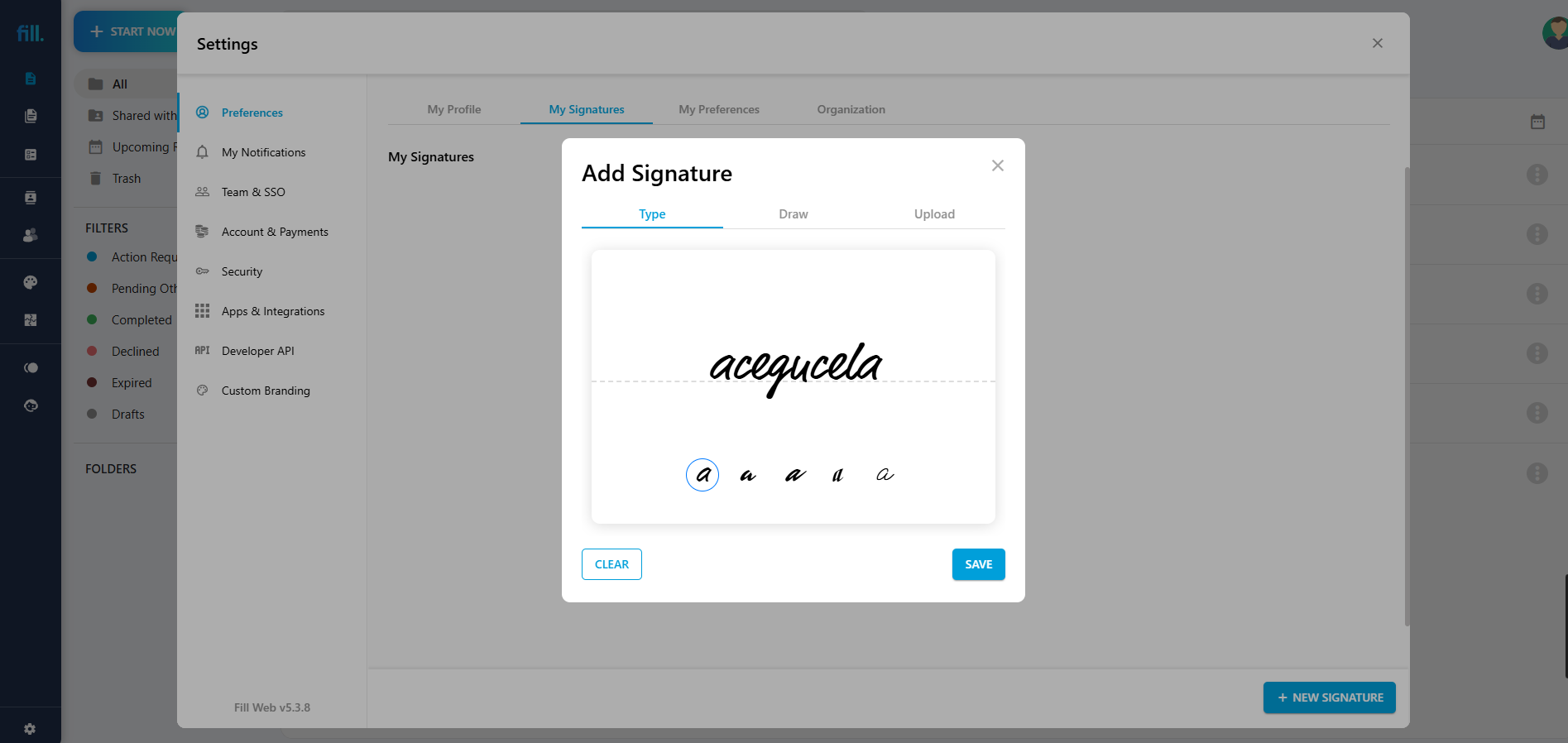
With Fill, you can automatically convert your physical signature into a legally binding electronic signature in just three easy steps. Here's how:
1.) Open the Fill app on your iOS or Android device.
2.) Go to Settings and select My Signatures.
3.) Select New Signature and then choose Import to upload your scanned signature. The app will automatically convert your signature into a legally binding electronic signature. Select Save, and that's it.
To add your signature to a document, hold and drag it to your desired field or area. It's that simple.
See also: How to Create a Handwritten Signature Online.
Final Thoughts
By knowing how and when to use your wet signature, you'll be able to decide what's best depending on the situation. You can also implement ways to make it less vulnerable to security threats by converting it into a legally binding electronic signature. This way, you can still use your handwritten signature to sign documents while ensuring that it's safe and well-protected against identity thieves and online fraudsters.
Want a faster and smoother way to execute documents? Fill has all the features and options you need to streamline your document processes. With our mobile and web-based apps, you have all the freedom to sign documents from anywhere, at any time. Take a free tour to learn more about how it works.
Frequently Asked Questions
What is a wet signature?
A wet signature is a handwritten signature made using ink on a physical document.
What does wet sign mean?
To “wet sign” a document means to physically sign it by hand using ink.
What is a wet ink signature?
A wet ink signature is another term for a handwritten signature created using ink.
Are wet signatures still required?
Yes. Some legal, government, financial, and real estate documents may still require wet signatures.
Can a wet signature be scanned?
Yes. A wet signature can be scanned and uploaded for electronic use.
Is a wet signature the same as a digital signature?
No. A wet signature is handwritten on paper, while a digital signature uses encryption technology for authentication and security.